


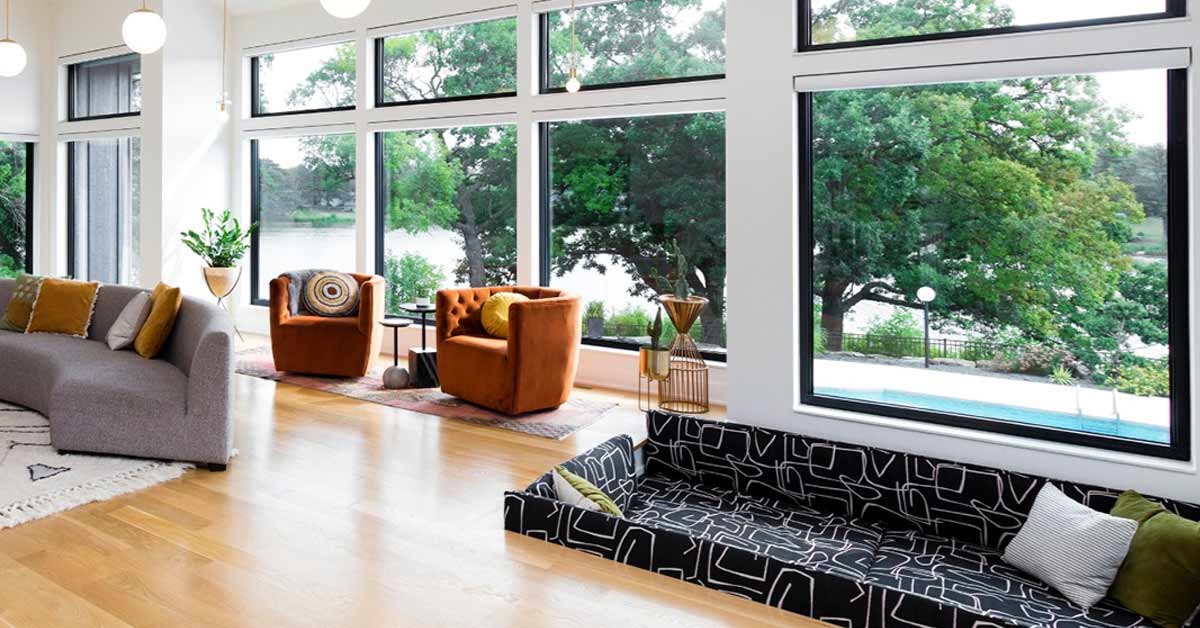
06 Feb Open-Concept Living: How to Define Spaces Without Walls
Open-concept living is still a popular home interior style among Quad Cities residents. And what’s not to love? An open-concept creates better traffic flow in your home, increases natural light, and encourages social interaction. With your kitten, dining, and living space open to one another, your home looks and feels larger. And if you’re a busy parent who wants to keep an eye on the kids while working in the kitchen, an open concept makes it easy.
But for all its attributes, an open-concept floorplan makes it difficult to define space without walls. If you’re embracing open concept living for your custom home or as part of a home renovation, we have some ideas for you. Define these specific spaces in your home without walls that take away from your open and airy floorplan.
Defining Spaces in Your Open Concept Home
Open-concept living spaces give an easy and casual sense of your space. But a lack of walls may also make you wonder how to create and define functional areas for different activities, such as an adult conversation space, a work-from-home area, or a cozy corner for reading. By incorporating some of our favorite techniques, your open-concept living design will achieve defined spaces without interrupting the seamless aesthetic you love.
Strategically-Placed Furniture and Accessories
You can use your furniture, strategically placed, to define spaces without walls. Obvious pieces like sofas, desks, and dining tables spell out the function of that area. Open shelving provides subtle delineation without obstructing the flow of light. A kitchen island separates your living and dining spaces from your meal prep area.
Built-in bookcases and media shelving define the use of a specific space. Rugs can also serve as harbingers of function by their style. Something chic and sophisticated in your formal dining area, a casual rug in your relaxed living space, and a plush and cozy rug to indicate a reading nook.
Lighting
Vary the lighting in each zone as a subtle indication of the function of that space. Pendant lights indicate a division between your kitchen and the rest of your open-concept living space. A chandelier above your dining table carries a different aesthetic into that area, and recessed lighting for a softer aesthetic in your family dining or living areas.
Define your reading nook, or quiet space, with a small table and table lamp. Smart lighting allows you to instantly change the mood of any space by changing the color or brightness of your lights.
Use Architectural and Design Features
Architectural elements are an easy way to separate and define zones in your open concept living home. Consider a vaulted ceiling or loft area as part of your custom home design. Incorporate exposed ceiling beams, tiles, or planks to create an intimate space without walls.
Paint and wallpaper are easy ways to add definition and indicate a separate space.
Define Spaces Without Interrupting Flow Between Zones
While you want to define specific spaces in your home, for both form and function, you don’t want to take away from the flow of an open-concept living design. By using subtle design elements to connect each area of your space, you maintain the continuity of this floorplan.
Choose complementary color palettes and similarly textured wall features and furnishings. The key is not to choose identical fabrics, textures, and colors, but rather those that keep the aesthetic flowing.
Open-Concept Living is Our Specialty
At Seiffert Home Design, we take pride in making sure your dream home comes to life. No matter the style of home you desire, we can make it happen. Please reach out to Seiffert Home Design today, and let’s get started designing your open-concept home, or whatever you choose, today.